Ordinary Moments

Kay Knight

June has a way of sneaking up on us, doesn’t it? One minute we’re digging out from winter and racing through spring schedules, and the next we’re staring at calendars full of vacations, cookouts, family visits, and hopefully a little time to breathe. Summer brings a different rhythm with longer days, later sunsets, and maybe even a few moments to sit outside and enjoy the season instead of rushing to the next thing.


Around here, June is already shaping up to be full in the best kind of way. There’s a lot to look forward to this time of year; gatherings, travel, celebrations, and those simple summer moments that somehow become the memories we keep the longest. My family is also remembering my grandmother after her recent passing. We miss her deeply, but we’re grateful for the love and faith she shared with us over so many years, and thankful for the hope and peace we hold onto in Christ.


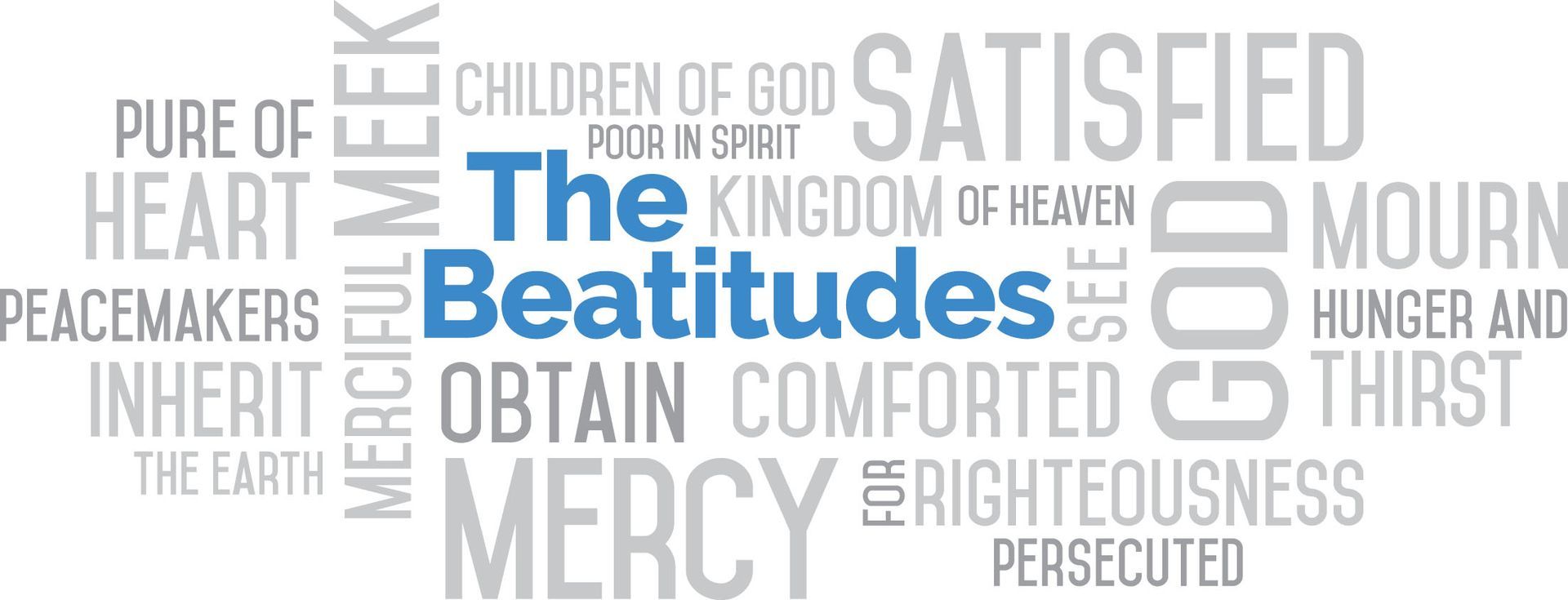
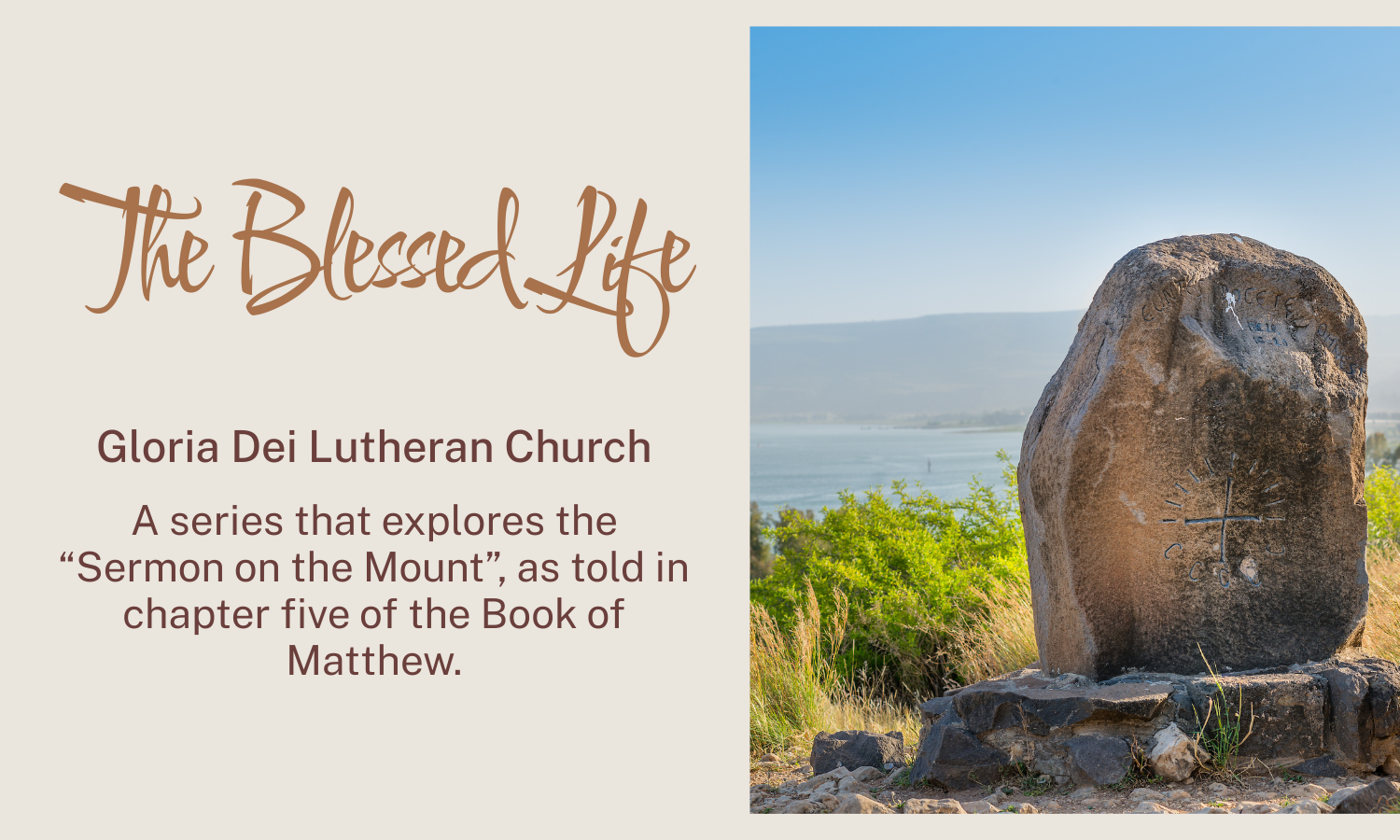
This summer, as a congregation, we’ll be spending time in the Sermon on the Mount. These words of Jesus are some of the most familiar and most memorable: “Blessed are the peacemakers,” “Love your enemies,” “Do not worry about tomorrow.” They challenge us, encourage us, and remind us that life in God’s kingdom looks a little different.

 It is rooted in grace, mercy, trust, and joy. They invite us to live with open hearts and to notice the ways God is already at work in everyday life.As you travel, rest, gather with friends and family, or simply enjoy a slower evening now and then, I hope you’ll carry these words with you. Jesus meets us in the ordinary moments just as much as the extraordinary ones around the table, out on the road, during quiet mornings, and in the middle of busy weeks.


So wherever June takes you, I pray it brings laughter, rest, connection, and plenty of reasons to soak in the goodness of the season. Enjoy the sunshine. Stay up a little later when you can. Make space for joy. And through it all, remember that God is present in every part of it.

Wishing you a joyful and blessed start to summer.


-Pastor Kay
By David Dahl May 20, 2026
Blessed is the one who trusts in the Lord, whose confidence is in Him -Jeremiah 17:7
By David Dahl April 20, 2026
“He saved us through the washing of rebirth and renewal by the Holy Spirit whom he poured out on us generously through Jesus Christ our Savior . . . “ (Titus 3:5b-6) Have you ever thought someone was hopeless? That was the question the Apostle Paul faced as he sent one of his students, a man named Titus, to the island of Crete. Crete is the fourth largest island of the Mediterranean. It’s directly south of the Aegean Sea. For as exotic as that sounds, it did not make the NY Times list of “The Best Places to Raise Your Children.” In fact, the corruption and laziness of the place became the stuff of popular sayings. Paul states it plainly for Titus. “Cretans are always liars, evil brutes, lazy gluttons. This testimony is true.” (Titus 1:12b-13a). To look at Crete, most would write it off as a lost cause. But Paul and Titus saw something different. They saw potential. They saw people for whom Christ died, people who were worthy of God’s rescue. Paul encouraged Titus to get right to work. Show them God’s purpose to save the human race. Teach people to see one another as made in God’s image. Sternly discipline those who need it. Deal straightforwardly with those wrestling with addiction. Work with those whom you have access to – namely the women, the young men and the slaves. This is a big job. After all, how do you eat an elephant? Answer: One bite at a time. Facing this huge task, Paul reminds Titus not to write anyone off. Paul tells him to be honest with himself. We all begin this life from the same place – as sinners. “At one time, we too were foolish, disobedient, deceived and enslaved by all kinds of passions and pleasures . . .” (Titus 3:3). Because of His mercy, “He saved us through the washing of rebirth and renewal by the Holy Spirit whom he poured out on us generously through Jesus Christ our Savior . . . “ (Titus 3:5b-6). The church at Crete started, as people began to experience the grace of God. We all need to be scrubbed clean. God washes us through the work of the Holy Spirit, loving us so much as to say, “You’re a mess, but you are worth saving. See, I give myself for you.” Person by person, they became “church”, this mysterious community that cares about and for each other – a community full of joy. I have experienced God’s amazing grace and the joy it brings from your hands. Your life experiences, your God-given wisdom, your talent, your willingness to spend time around a table, your hard work, your care and thoughtfulness have brought so much joy to so many.  This summer, let’s sharpen our skills in bringing God’s blessing and joy to our neighbors that they will know that God is good – all the time! May we all Keep and Live the Faith!
By Kay Knight April 20, 2026
Psalm 74:17 – “It was you who set all the boundaries of the earth; you made both summer and winter.” Happy May! Spring is in full swing - flowers are popping up, birds are singing their hearts out, and suddenly, the world seems brighter… and messier (thank you, pollen!). Psalm 74:17 reminds us that God is the ultimate organizer of this beautiful chaos. He set the boundaries of the earth and carefully orchestrated the seasons - summer and winter, growth and rest, sun and rain. Isn’t it comforting to know that the same God who manages the vast universe also holds your life in His hands? Just as we don’t get to skip winter, we don’t always get to rush through the hard times, but just as winter gives way to spring, God’s timing brings growth, renewal, and unexpected joys. Even in moments of uncertainty, He is quietly at work, preparing something beautiful just beneath the surface, where we cannot yet see. This month, as we celebrate Mother’s Day, graduations, and longer days of sunlight, let’s remember to pause and notice the little miracles around us: the first bees on the blossoms, the green buds on trees, the laughter of family and friends. Staying in touch with God through prayer, worship, or simply noticing His handiwork helps us stay grounded in His love, even in the busiest or messiest of days. When we slow down, we often discover that His presence has been there all along, gently guiding and sustaining us. So, whether you’re planting flowers, dusting off your sandals, or enjoying a cup of coffee in the sunshine, take a moment to smile and say, “Thanks, God - for the seasons, the surprises, and the steady hand guiding us through it all.”  May you all each day, spot one small blessing - a flower, a smile, a song - and thank God for it! And may your heart be continually lifted by the quiet assurance that you are deeply known, faithfully loved, and never walking alone. Have a blessed spring!
By Kay Knight April 6, 2026
What a month March has been! That blizzard was one for the record books. Many of us were stuck at home, digging out (and digging out again), checking on neighbors, and just trying to get through the day. It was exhausting - and at times, honestly, a little overwhelming. But even in the middle of it all, there were glimpses of grace: people showing up for each other and reminding one another, “You’re not alone.” Now things are starting to shift. The snow piles are melting, the days are getting longer, and you can almost feel spring trying to break through. And right in the middle of this transition comes a powerful word from God: “See, I am doing a new thing! Now it springs up; do you not perceive it?” (Isaiah 43:19) That verse hits differently this time of year. After winter, it can be hard to imagine anything “springing up.” We get used to the cold, the gray, the heaviness. We start to expect more of the same. But God says: Look again. Pay attention. Something new is already beginning. Not someday. Not far off. Now it springs up. Maybe that “new thing” looks like small signs of life returning outside your window. Maybe it’s a renewed sense of connection after helping each other through the storm. Maybe it’s a quiet stirring of hope you didn’t expect to feel yet. And maybe - just maybe - it’s God doing something new in you. That’s what makes this so fitting as we head toward Easter on April 5th. Easter is the ultimate “new thing.” When everything seemed lost, when hope looked buried for good, God was already at work. And on that morning, the world changed forever. As Scripture tells us, “He is not here; He has risen!” (Luke 24:6). Resurrection isn’t just something that happened once. It’s something God keeps doing—bringing life out of death, hope out of despair, and new beginnings out of the places we thought were finished.  So as we move into April, I want to invite you to hold onto that question from Isaiah: Do you not perceive it? … Where do you see signs of new life? Where might God be at work in ways you didn’t expect? What is beginning to “spring up” in your own life? Let’s step into this season together with open eyes and open hearts. The snow is melting. New life is on the way. And Easter is coming.
By David Dahl April 6, 2026
1 Corinthians 15:3-4
By David Dahl February 3, 2026
This was to fulfill what was spoken by the prophet Isaiah: “He took our illnesses and bore our diseases.” Matthew 8:17 We’re in the season of sore throats, coughs, colds and flu. Many of us are reminded of just how fragile our bodies are. It is amazing to me that a microscopic virus can silence our voice and sap our strength to the point we aren’t able to do anything. One of the gifts Jesus brings is healing. One of the Christian martyrs commemorated in the month of February is a man God graced with healing, a man named Blasius or Blaise. Blaise was an Armenian who lived back in the 4 th Century. He was born into a rich household to parents who followed Jesus – a rarity of that day. So, as you would expect, he received a first-rate education given by Christian teachers. His ambition was to become a physician. In this Roman territory – now present-day Turkey – Blaise began practicing medicine. He was good at it. Even more so, he became known as a Christian with healing hands. As often happens in church families, Blaise was quickly promoted as a Christian teacher and healer. He was elevated to the office of bishop at a young age. I can’t imagine the responsibility – running a medical practice and being a chief shepherd of a number of churches – all of this in the community of Sebaste in Armenia which is modern-day Sivas, Turkey. Here’s where the story gets interesting. . . The Roman Empire was divided into smaller sections to ensure stability. It didn’t work so well. Valerius Licinius and Flavius Valerius Constantinus (Constantine) were co-emperors. Licinius ruled the eastern Roman Empire and Constantine ruled the west. A rivalry deepened between them causing civil war. Constantine was a Christian convert. Licinius was a loyal Roman pagan. Blaise – the doctor and bishop – lived in the territory ruled by Licinius. Licinius began to view Christians as a threat to his authority. In order to consolidate his power and to punish his chief rival (Constantine was a Christian), he began a state-sponsored campaign to persecute Christians. He rewarded people to hunt them and bring them in to face torture and death if they refused to renounce Jesus and bow to the Roman gods. During this time, Blaise left his comfortable home to live life as a hermit in a cave. He was eventually discovered by hunters and taken to the governor. The governor was impressed with Blaise’s ability to heal and serve, unapologetically, in Jesus’ name. One story included a boy who was near death from choking on a fishbone lodged in his throat. Blaise prayed and went to work and saved his life. As impressed as the governor was, it didn’t stop him from insisting that the Blaise renounce his faith. When he wouldn’t, the governor had him beaten, tortured with an iron comb (a tool used for combing wool), and eventually beheaded. In the Roman Catholic world, Blaise became the Saint to those suffering from sore throats. Why do such stories come to mind? Jesus is the true physician. Blaise was faithful to follow Jesus in that task. Blaise knew that God does not stand far off from our coughing, aching and fevered bodies. He comes close. He touches, and He speaks life. Blaise could not turn away from such a Savior. So as you nurse a sore throat, or care for a sick child or spouse, do it unapologetically in Jesus’ name. Know that this is holy work, and God is deeply invested in your humanity. Even more so, tell the stories of how God empowers our simple acts of love and service to bring life. Just as He did in the days of Blaise, so may we see Him meet us as our Great Physician who came to “take our illnesses and heal our diseases.” Keep and live the faith!
By Kay Knight February 3, 2026
Shining all the way into Lent
By David Dahl December 22, 2025
“After Jesus was born in Bethlehem in Judea, during the time of King Herod, Magi from the east came to Jerusalem and asked, ‘Where is the one who has been born king of the Jews? We saw his star when it rose and have come to worship him.’” (Matthew 2:1) It’s January. With the shortest day of the year behind us, some find this stretch of the calendar cold and dark. Yet Scripture repeatedly reminds us that God often does His boldest work in unlikely seasons and less-than-ideal circumstances. This is the time of year when the Church remembers the Magi—wise men who followed a star to Bethlehem. Their journey was anything but convenient. It would have been costly, time-consuming, and dangerous. One can’t help but ask: what kind of people would leave comfort and security behind to chase a mysterious light across unfamiliar terrain? Interestingly, no other historical records from the time of Jesus’ birth mention a star like the one Matthew describes. Astronomers (not astrologers) have suggested several possibilities near the time of Jesus’ birth: a supernova, Halley’s Comet, or a rare conjunction of Jupiter, Saturn, and Mars that would have appeared as a single, brilliant light. Whether the star was one of these phenomena or a uniquely supernatural sign, we cannot say for certain. What we do know is this: God used it to draw the Magi to His Son. Matthew does not describe these travelers as kings, but as magi—a Greek term referring to learned men or oriental scholars. Over time, the Church came to view them as kings, largely because of the gifts they brought: gold, frankincense, and myrrh. These gifts echo Psalm 72, a royal psalm that proclaims, “May the kings of Sheba and Saba bring gifts; may all kings pay him homage” (Psalm 72:10–11). Their titles matter far less than their obedience. At great personal cost, the Magi followed the light they were given. And though their understanding may have been incomplete, their gifts demonstrated remarkable insight. Gold honored a king. Frankincense acknowledged divinity. Myrrh—used for burial—hinted at suffering and sacrifice. Somehow, they grasped that this child was more than a ruler; He was the Redeemer the world had long awaited. Here’s the challenge of this story: How willing are we to follow the Son of God? Have we quietly set boundaries on how far we are willing to go, or what we are willing to risk, in response to His call? New opportunities are before us. I invite—and challenge—you to join in. As we enter this new year, may God find us faithful to reflect His light here in Tomah. Keep and Live the Faith Pastor David Dahl
By Kay Knight December 22, 2025
A blessed New Year to you! As the calendar flips and we all pretend we’re absolutely going to stick to our resolutions this time, I thought it might be good to talk about some Christian resolutions—those small, habits of faith that help us grow, even if we occasionally trip over our good intentions on the way to the refrigerator. January always feels like a fresh sheet of paper. It’s a natural time to ask: What habits help me stay rooted in His grace? Not “What would make me a perfect Christian?”—That list would be unmanageably long, and Jesus has already taken care of perfection for us. I mean what are some simple practices that give God just a little more room to shape our days. As Paul writes, “Therefore, if anyone is in Christ, he is a new creation; the old has passed away, behold, the new has come.” (2 Corinthians 5:17). A new year doesn’t magically make us new people—but Christ does. So… 1. Dust off your Bible—literally or figuratively. Try reading a short daily passage, maybe from a Gospel. If the Bible feels intimidating, start small. God doesn’t hand out gold stars for reading Leviticus at 6 a.m. without coffee. 2. Pray for one thing each day. Just one. That’s it. A person, a joy, a worry, your neighbor’s noisy dog—whatever’s on your heart. You might be surprised how that one moment of honesty with God steadies the rest of the day. 3. Come to worship even on the “I’d rather stay in my pajamas” Sundays. Gathering as God’s people strengthens us in ways we rarely expect. 4. Practice small mercies. Forgive quickly. Speak kindly. Hold a door. Send a note. Luther said our daily vocations are holy callings, even the ordinary ones. God does beautiful things with small acts of grace. 5. Remember the Gospel is not a self-improvement program. Resolutions are good, but they don’t save us. Christ has already claimed us, loved us, forgiven us, and renewed us—long before our January motivation fades by February. If you fail at your resolutions, welcome to the club. God’s mercies are new every morning, not just on January 1st. And if you do keep one or two habits that draw you closer to Christ and neighbor, thanks be to God for that, too. May your new year be full of grace and a few holy habits that help you recognize God’s presence in the everyday. Blessings on the new year. Pastor Kay
By David Dahl November 21, 2025
Christ has Come.